Bluetooth Streaming and Connectivity in Hearing Aid Models
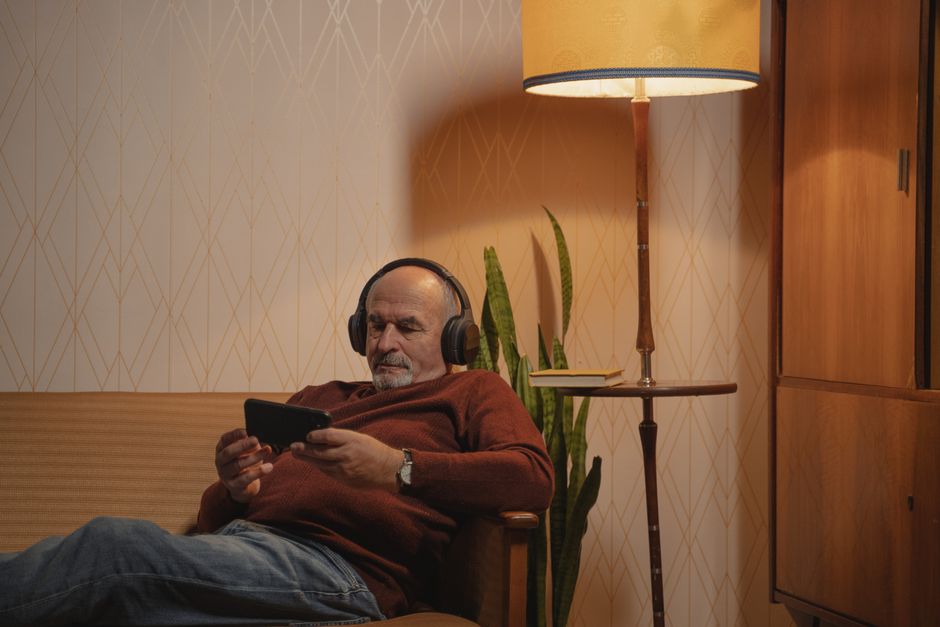
Bluetooth technology has become a central feature in many modern hearing aid models, allowing users to stream audio from smartphones, televisions, and other devices directly to their hearing aids. This connectivity can improve access to phone conversations, entertainment, and public announcements, but it also introduces variables such as compatibility, battery consumption, and signal stability. Understanding how Bluetooth works in hearing aids, and which accessories can help maintain a reliable connection, is useful for anyone evaluating or using these devices.
The implementation of Bluetooth in hearing aids varies by manufacturer and model. Some devices use Bluetooth Classic for audio streaming, while others rely on Bluetooth Low Energy (BLE) or proprietary protocols. Each approach has different implications for device compatibility, power efficiency, and the types of accessories that can be used. Additionally, the physical design of hearing aids—ranging from behind-the-ear to in-the-ear styles—can affect antenna placement and overall wireless performance.
This article reviews the fundamental aspects of Bluetooth streaming in hearing aids, focusing on how phone calls and television audio are delivered, the role of intermediate devices and accessories, and the factors that influence connection stability. It is intended as an informational overview rather than a buying guide or a substitute for professional advice.
How Bluetooth Enables Audio Streaming to Hearing Aids
Bluetooth is a short-range wireless technology that allows devices to exchange data over radio waves. In the context of hearing aids, it enables audio signals from a source device—such as a smartphone or television—to be transmitted directly to the hearing aid’s receiver. This process typically involves pairing the hearing aid with the source device, after which the hearing aid acts as a wireless headset. However, not all hearing aids have built-in Bluetooth; some require an intermediary device, often called a streamer or a neckloop, to receive the signal and relay it to the hearing aids.
There are two main Bluetooth standards used in hearing aids: Bluetooth Classic and Bluetooth Low Energy (BLE). Bluetooth Classic supports continuous audio streaming and is commonly used for phone calls and media playback. BLE is designed for low-power applications and is often used for control apps and firmware updates, though it can also support audio streaming through specific codecs. Some hearing aids use a combination of both standards to balance audio quality and battery life. The choice of standard affects which devices are compatible and how much power the hearing aid consumes during streaming.
Compatibility is a key consideration. Hearing aids that support Bluetooth Classic may connect directly to most smartphones, tablets, and computers that also support the standard. BLE-based streaming may require the source device to support specific profiles, such as the Hands-Free Profile (HFP) for calls or the Advanced Audio Distribution Profile (A2DP) for media. In some cases, manufacturers use proprietary protocols to optimize streaming for their own hearing aids, which can limit compatibility with third-party devices. Users should check the technical specifications of both the hearing aid and the source device to confirm supported Bluetooth profiles and codecs.
Phone Calls and Television Audio: Streaming Pathways
Streaming phone calls directly to hearing aids allows the user to hear the caller’s voice in both ears, which can improve speech understanding compared to holding a phone to the ear. For this to work, the hearing aid must support the Hands-Free Profile (HFP), which enables two-way audio: the hearing aid receives the caller’s voice and uses its built-in microphone to capture the user’s voice. Some hearing aids also support headset profiles that allow the user to answer or end calls via a button on the hearing aid or a companion app. The quality of the call depends on the Bluetooth link, the hearing aid’s processing, and the mobile network.
Television audio streaming typically involves a dedicated accessory, such as a TV streamer or a transmitter, that connects to the television’s audio output and sends the sound to the hearing aids via Bluetooth or a proprietary wireless protocol. These accessories are designed to reduce latency and maintain a stable connection, which is important for lip-sync accuracy. Some streamers support multiple pairs of hearing aids, allowing several users to listen at the same time. The television itself may also have built-in Bluetooth, but direct connection to hearing aids is less common due to latency and compatibility issues; a dedicated streamer often provides a more reliable experience.
Latency—the delay between the audio source and the sound reaching the hearing aid—is a critical factor for television viewing and phone conversations. Bluetooth Classic can introduce latency, but many TV streamers use proprietary low-latency codecs to minimize this. For phone calls, latency is less noticeable because the conversation is interactive, but excessive delay can still disrupt the flow. Users should consider the latency specifications of both the hearing aid and any accessories when planning their setup.
Accessories That Support Stable Connections
Several types of accessories can help maintain a stable Bluetooth connection between hearing aids and audio sources. These accessories may be manufacturer-specific or third-party, and their compatibility varies. The most common accessories include:
- TV streamers: Devices that connect to a television’s audio output and transmit sound to hearing aids. They often use a dedicated wireless link to reduce interference and latency.
- Remote microphones: Portable devices that can be placed near a speaker or in a noisy environment to stream speech directly to the hearing aids, improving the signal-to-noise ratio.
- Bluetooth neckloops or streamers: Intermediate devices that receive Bluetooth audio and relay it to hearing aids via telecoil or other wireless technology. These can be useful for hearing aids without built-in Bluetooth.
- Smartphone apps: Companion apps that allow users to adjust settings, manage connections, and sometimes serve as an intermediary for streaming.
- Repeaters or range extenders: Devices that can extend the Bluetooth range or improve signal stability in larger spaces.
When selecting accessories, it is important to verify compatibility with the specific hearing aid model. Some manufacturers design their accessories to work only with their own hearing aids, while others adhere to open standards. Users should also consider the power requirements of accessories, as some may need to be charged or plugged in. Additionally, firmware updates for both hearing aids and accessories can affect performance, so keeping devices up to date is a practical step.
Stable connections also depend on environmental factors. Physical obstacles, other wireless devices, and the distance between the hearing aid and the source can all influence signal strength. Accessories that use a dedicated link or operate in less crowded frequency bands may offer more consistent performance. For example, some TV streamers use the 2.4 GHz band, which is shared with Wi-Fi and other devices, while others use proprietary protocols in different bands. Users may need to experiment with placement and settings to achieve the best results in their specific environment.
Factors Influencing Connection Stability and Performance
Several factors can affect the stability and quality of Bluetooth streaming in hearing aids. These include the distance between the hearing aid and the source device, the presence of physical barriers such as walls, and interference from other wireless devices. Bluetooth typically operates within a range of about 10 meters (30 feet) in open space, but this can be reduced by obstacles and electromagnetic interference. Hearing aids with built-in antennas may have different range characteristics than those using an intermediary streamer.
Battery life is another consideration. Streaming audio via Bluetooth consumes more power than basic hearing aid operation, which can reduce the time between charges or battery replacements. The impact varies by hearing aid model and the amount of streaming. Some hearing aids use rechargeable batteries and may offer a certain number of hours of streaming per charge, while others use disposable batteries that may need to be replaced more frequently. Users should factor in their typical daily streaming habits when evaluating battery needs.
Interoperability between different brands and devices is not guaranteed. While Bluetooth is a standardized technology, manufacturers may implement profiles and codecs differently. This can lead to situations where a hearing aid connects to one smartphone but not another, or where certain features (such as hands-free calling) are unavailable. Checking the manufacturer’s compatibility list and testing the connection in real-world scenarios can help identify potential issues. In some cases, a firmware update or a different accessory may resolve compatibility problems.
Stable Bluetooth connectivity in hearing aids depends on the interplay of device compatibility, accessory design, environmental conditions, and user behavior. No single factor guarantees a flawless connection, and performance can vary across different settings.
Finally, user behavior and maintenance play a role. Keeping the hearing aids clean and free of moisture, ensuring they are charged or have fresh batteries, and avoiding using them in extreme temperatures can help maintain optimal performance. Following the manufacturer’s instructions for pairing and unpairing devices can also prevent connection issues. As with any wireless technology, occasional disruptions may occur, and having a basic understanding of troubleshooting steps can be useful.
Considerations for Choosing and Using Bluetooth Hearing Aids
When evaluating Bluetooth hearing aids, it is helpful to consider the specific use cases that matter most. For individuals who frequently take phone calls, hands-free profile support and microphone quality are important. For television viewing, a dedicated TV streamer with low latency may be preferable. For listening to music or podcasts, support for high-quality audio codecs and stereo streaming may be relevant. The availability of accessories and the manufacturer’s approach to compatibility can also influence the overall experience.
It is also important to recognize that Bluetooth connectivity is just one aspect of hearing aid performance. Sound quality, comfort, ease of use, and the support of a hearing care professional remain central. Bluetooth features should be evaluated alongside these factors, and users should consider how the technology fits into their daily routines. Testing devices in real-world environments—such as making calls from different locations or watching TV from a usual seating position—can provide practical insights that specifications alone cannot.
Hearing Aid Picks provides informational resources on hearing aid features and connectivity, but individual needs and circumstances vary. Decisions about hearing aid models and accessories are best made in consultation with a qualified hearing care provider who can assess specific hearing requirements and lifestyle factors. The information in this article is intended to support understanding of Bluetooth streaming and connectivity, not to replace professional guidance.